
The answer is NO… or rather, NOT ONLY…
The main stabiliser of the human body is the CORE muscles, which are responsible for connecting the upper and lower parts of the body. It is an English word meaning centre or core. The core is responsible for the body’s strength. It allows us to stand upright, but also to perform movements such as kicking a ball or lifting a box.
It is made up of several muscle areas:
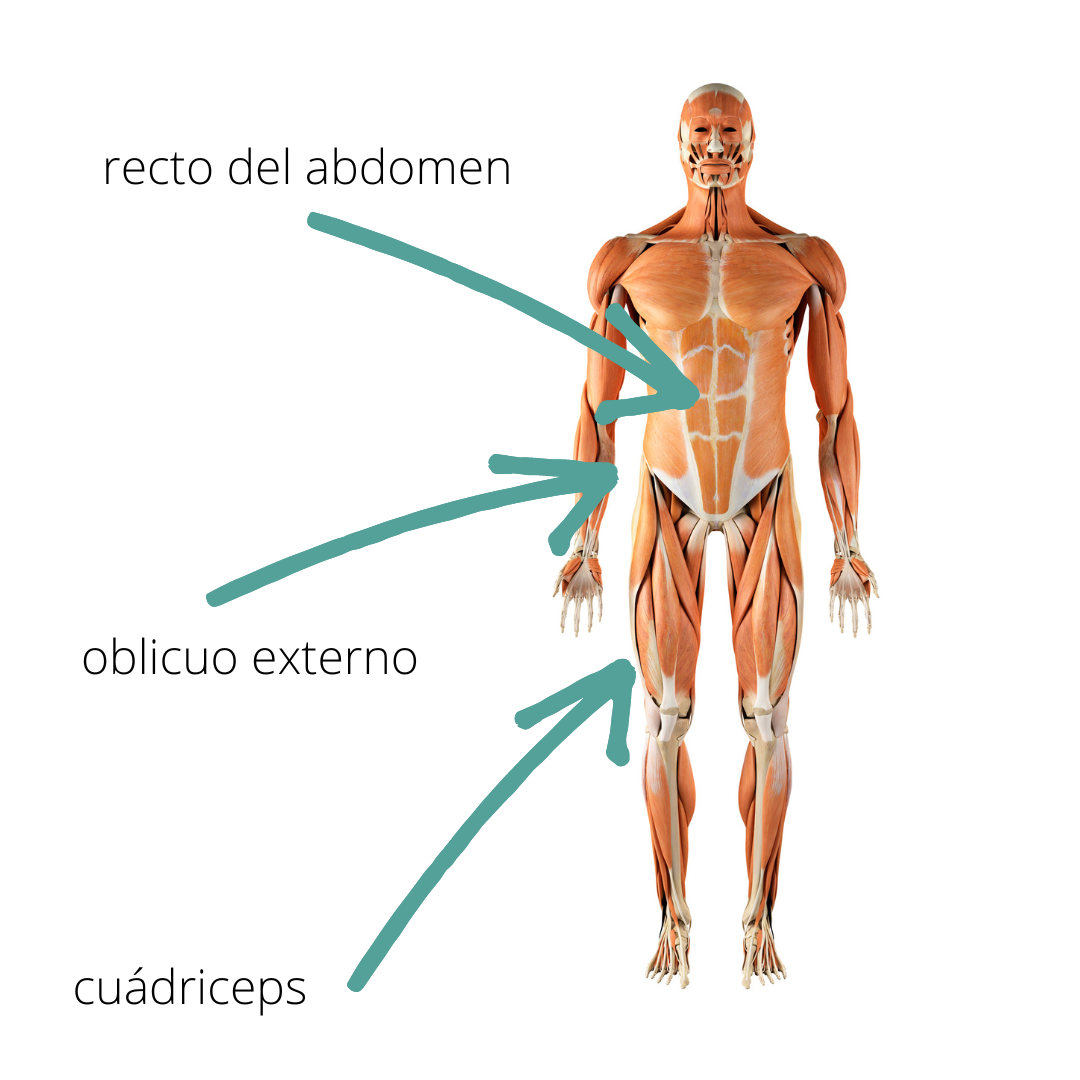
- Abdomen: the abdominal muscles are the muscles of the belly (rectus = six-pack and external oblique). They protect the internal organs, help maintain posture, and also help you breathe better.
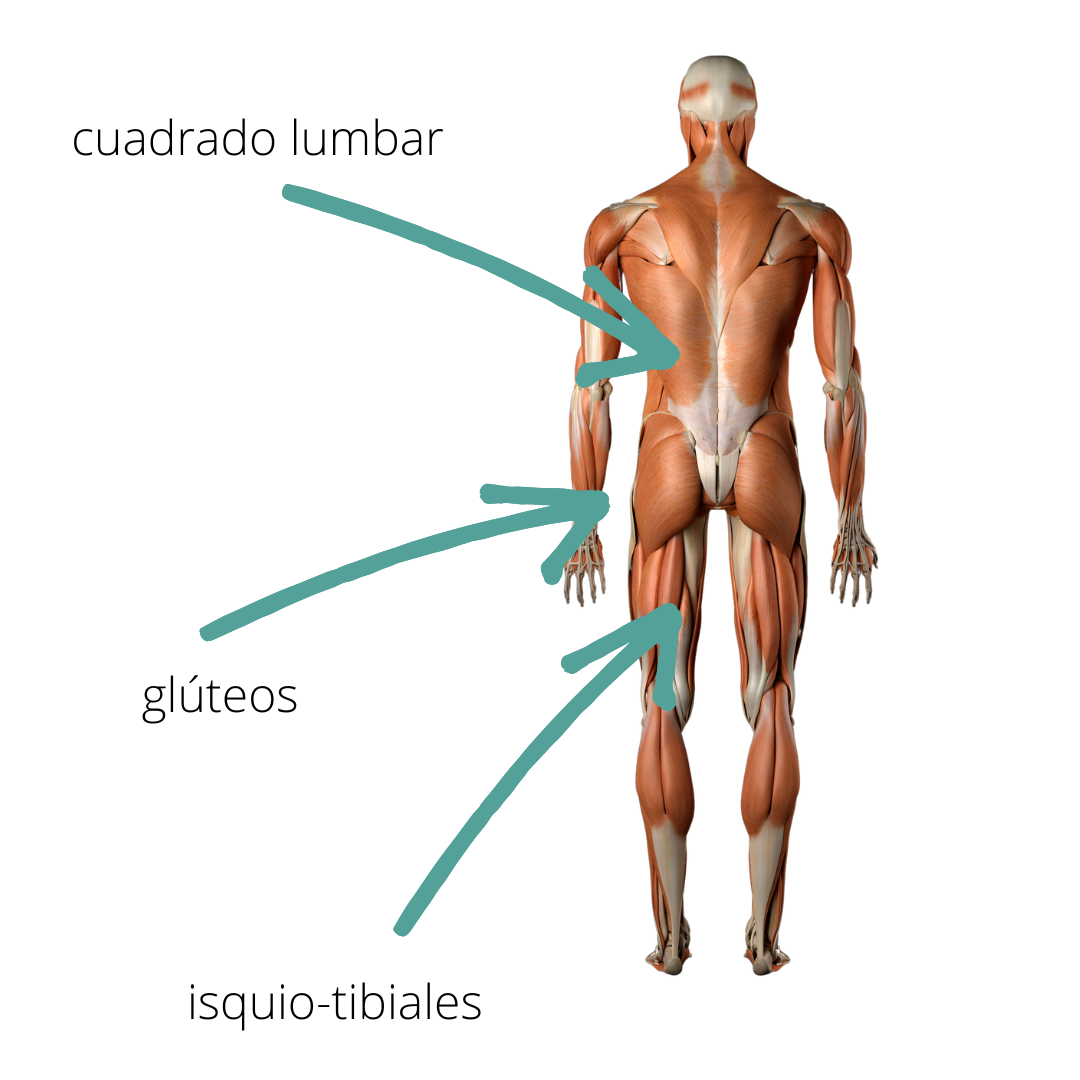
- Lumbar: the quadratus lumborum is the muscle that helps keep the back straight and helps us stay upright.
- Hip: the gluteal, hamstring and quadriceps muscles are essential for leg movements, but also for keeping us upright.
- Deep musculature: this includes the pelvic floor, transversus abdominis, internal obliques, spinal multifidus and diaphragm. Essential for all the above functions: protecting the organs, breathing, allowing you to stand upright and maintain an erect posture.
Having a strong core:
- improves performance in any sport you practise
- helps reduce joint pain
- is an important stabiliser that prevents injuries
- reduces low back pain
- improves the sensation of morning stiffness
If the core is weak:
- the risk of developing low back pain increases
- the body’s balance worsens
- we are more likely to suffer a fall
- we feel less agile in everyday movements
- overall mobility worsens (walking, changing position…)
Training the core reduces the workload on the spine, as the muscles help support body weight and reduce the load on the intervertebral discs—especially important to consider if you have low back pain or a diagnosed spinal injury.
Keeping the core strong is essential, especially for people who work sitting down. Doing core exercises allows the 4 muscle groups to work in harmony, which improves balance and agility and makes us feel full of energy.
Although training the deep musculature is more specific to Pilates—an activity I strongly recommend in my practice—we can easily train the other groups by doing these 5 exercises at home:
- front plank
- side plank
- glute bridge
- squats with arms extended
- superman


