Minimally Invasive Surgery (MIS)
1
What is Minimally Invasive Surgery (MIS)?
MIS surgery is a set of surgical techniques designed to resolve the same spinal issues as conventional surgery but with less tissue damage and a reduced physical impact on the body.
2
What are the benefits?
Because these surgeries are performed through small incisions, the benefits are numerous: smaller scars, faster mobilization (patients can get out of bed sooner), and no mandatory use of post-surgical braces. There is a shorter hospital stay, allowing patients to return to their home environment quickly. Additionally, it causes less muscle damage and results in less bleeding, reducing the risk of blood transfusions.
3
What problems can we solve with MIS?
We can treat lumbar disc herniation, spinal stenosis, disc degeneration, spondylolisthesis, and vertebral fractures, among others.
Consider less invasive options for your back surgery. Ask for a second opinion.
Minimally Invasive Techniques:
Microdiscectomy:
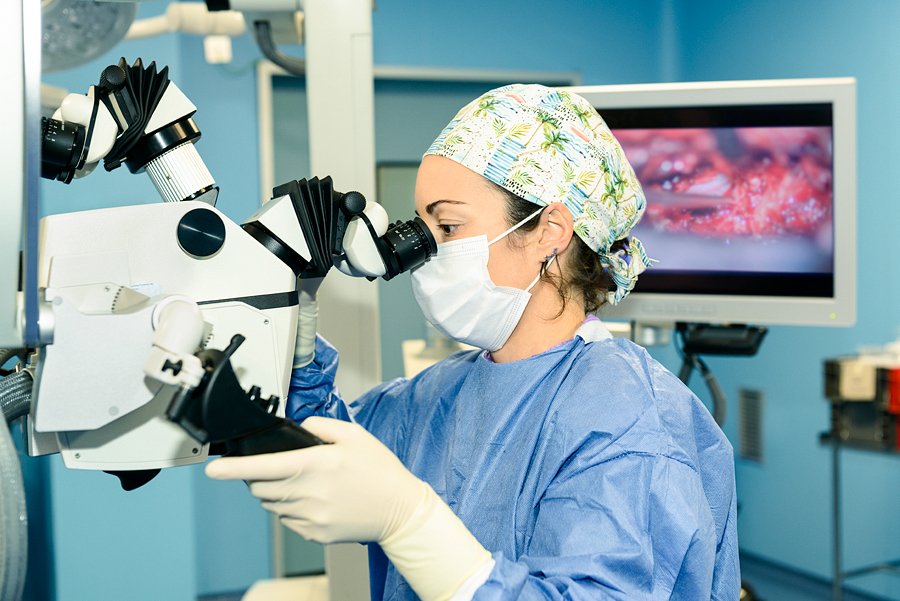
Removal of a herniated disc through a small incision using a microscope. Patients are typically discharged the next day.
Microdecompression:
Relieving pressure on nerves trapped by spinal stenosis.
Endoscopic Decompression:
Removing hernias or decompressing the spinal canal via a high-definition camera through an incision smaller than 1 cm.
No hospital stay required.
Nucleoplasty:
A radiofrequency catheter reduces small hernias/protrusions. Performed under sedation without admission.
Performed under sedation without admission.
Anterior Cervical Decompression (ACDF):
If the disc herniation or canal stenosis is located in the cervical area, minimally invasive surgery also allows the issue to be addressed without damaging the posterior neck muscles.
Vertebroplasty:
Injecting cement into broken vertebrae to alleviate pain and inflammation.
Minimally Invasive Arthrodesis (PLIF, TLIF, OLIF):
Spinal fusion through small incisions for severely damaged discs.
ALIF:
Anterior surgery through the abdomen (similar to a C-section incision) to correct the L5-S1 disc.
Percutaneous Fixation:
Stabilizing fractures with screws via small incisions, avoiding large scars and braces.
Rhizolysis:
Radiofrequency treatment for facet joint pain; no hospital stay required.
Metastasis Treatment:
Relieving cancer-related spinal pain using radiofrequency, bone cement or percutaneous fixation that does not interfere with radiotherapy allows the patient to lead a more comfortable life. If the spinal injury is severe and requires a three-dimensional solution, MIS allows access to the anterior part of the spine through a smaller incision than conventional thoracotomy or lumbotomy.

Why are these techniques not performed in all centers?
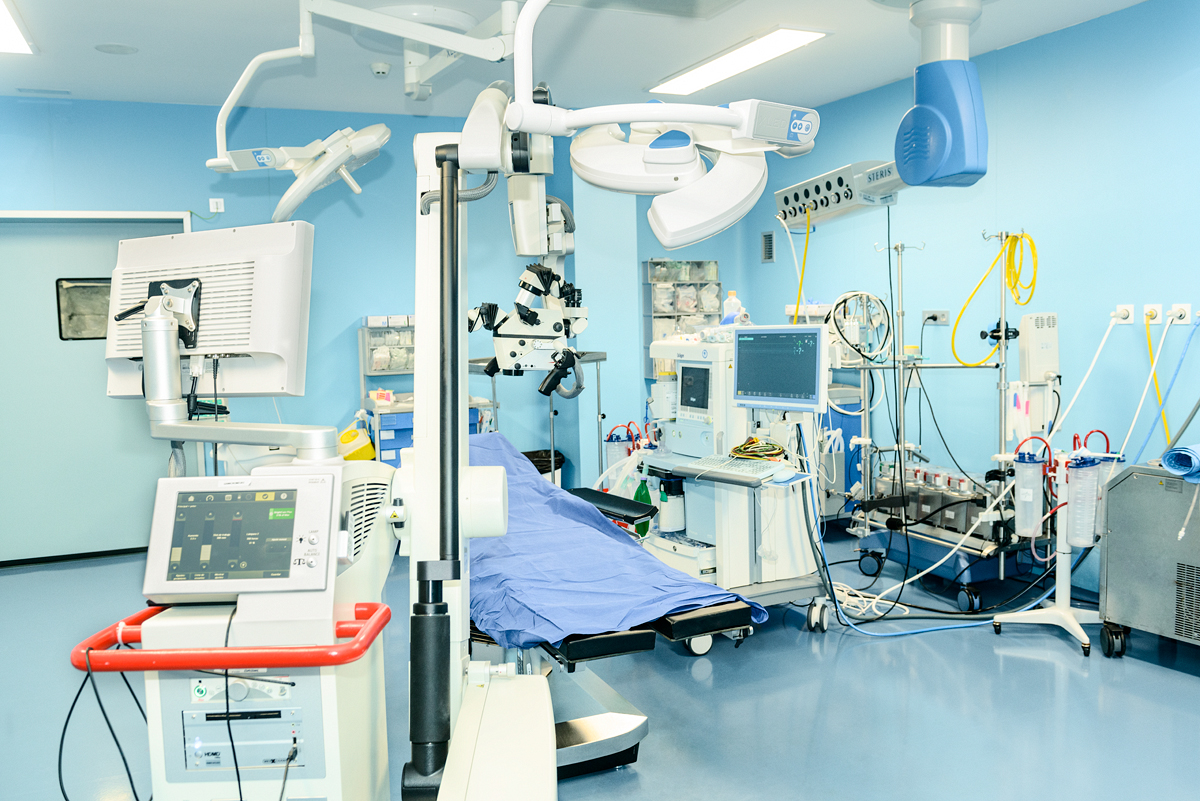
Performing these techniques requires high-tech operating rooms, extensive long-term training and dedication, and staying continuously updated about new advancements.
Book an appointment
Whatsapp: 644 05 76 61
Email: info@saraburguet.com
Hospital IMED Colón
Carrer d’Isabel la Catòlica, 12, L’Eixample, 46004 València, Valencia